Showing posts with label African cookbooks. Show all posts

Monday, December 03, 2018

Tap Chop: 1969 Addition to the Africa Cookbook Project


From time to time we receive additions to the BETUMI Africa Cookbook Collection launched at TED Global in Tanzania in 2007. I remember when a fan sent in his mother's collection of Barbara Baeta's West African Favourites Cookery Cards, currently on loan to Aperture for its traveling exhibition Feast for the Eyes: The Story of Food in Photography


Many of the items are mimeographed paper booklets, such as the one I received yesterday, a 1969 booklet titled Tap Chop, 52 pages of recipes largely popular with Mennonite and other missionaries. It is a treasured bit of history. Thank you to Dave Beppler, formerly in Nigeria.


Tuesday, December 04, 2012

On my African Cookbook shelf

It's been some time since I've commented on the latest (cook)books I'm reading/collecting, and also since I've thanked contributors  to The Africa Cookbook Project, 
launched at TED Global in Tanzania in 2007. Yes, we're still collecting cookbooks published in Africa and written by Africans.

Rachel C. J. Massaquoi, the Sierra Leonean mother of one of my daughter Abena's  friends from Harvard,  published a book  in 2011 through AuthorHouse. Titled Foods of Sierra Leone and Other West African Contries: A Cookbook and Food-Related Stories, it has been a joy to read through its 159 pages. The book is filled with helpful information, including stories, cultural wisdom, photographs, and a glossary. It is truly a gift to those of us interested in preserving and sharing West African culinary history and recipes. What's more, it's currently on sale through AuthorHouse for $23.51 instead of the $46.28 price available at Amazon.com (use link above). It would make a great, unique, Christmas gift.

I'm especially interested to try her cassava leaf sauce (in Ghana, people favor cocoyam leaves, aka nkontomire or kontomire), plus her recipe for Sierra Leonean "check rice" (also popular in Liberia). She has done us all a great service.
 
In 1993, Ten Speed Press published a cookbook by Ghanaian author and television cooking show host Dorinda Hafner that became a bestseller, A Taste of Africa. The book was published in hardcover and paperback, reprinted, and followed by a revised version in 2002. I recently picked up a copy of the revised edition, only to discover that it has quite a different feel. For one thing, the language has been toned down: "fufu" has been renamed "dumplings," "momone" has gone from "smelly" salted fish to simply "salted fish." Also, there are some additions (such as the recipe for "ham soup with basil and vegetables)," and she has reversed the names, for example, from using Ghanaian names ("shitor din" or "kontomire ne momone," "kubecake," "Tom Brown" in favor of highlighting more understandable English names as headings, with the traditional names usually in small 


type  underneath. Understandable, perhaps, but also a kind of loss. Still, the revised edition stands proudly on my shelf next to the first edition, and Dorinda's delightful 1996 memoir (also published by Ten Speed Press) I Was Never Here and This Never Happened--Tasty Bits and Spicy Tales From My Life.


Several weeks ago, on his latest return from Ethiopia, Prof. Greg Ziegler carried along a donation he correctly guessed was not already in the collection. Published in 2011 by author Teshome Berhe, it is a bilingual introduction to Ethiopian cooking and culture, in both  French and English (en français et en anglais): A table avec la Reine de Saba / Dining with the Queen of Sheba. Several of its 139 pages contain color illustrations, there are numerous historical anecdotes and cultural references, and in place of a table of contents or index it has a 5-page summary at the end. Another contribution to cherish. Thank you again, Greg. There are today many cultural and culinary spokespeople recording their heritages. It warms my heart, and we are all enriched.


I'm sorry to report that due to the political problems in Mali, a much-anticipated photocopied version of a Malian cookbook was not procured, though Penn State doctoral student Kristal Jones is currently in Bamako and attempting again to obtain it for me.

I wish . . .
I wish . . .
I wish it were possible to digitize all these books so that they could have a wider circulation . . . Of course, as an author myself, I'd also like them to be available at a fair compensation to the writers.

Tuesday, November 02, 2010

African Cookbook Project

I recently returned from a trip to the West Coast of the U.S. While there I took the opportunity to stop by one of my favorite bookstores, Powell's in Portland, Oregon, where I picked up a 1971 book published by Dell and called The Art of African Cooking--The Original "Soul Food": 307 recipes from the new African nations. Or, as the cover promises "307 exotic recipes from the first ladies of the new African nations." I've been unable to trace compiler  Sandy Lesberg, except to see that she (he?) was fairly prolific in the 1960s and 1970s, and continued to produce in the 1980s, mostly compilations like this one, often about food, restaurants, or places, or retelling other's stories. At any rate, this unpretentious little book (214 pages, paperback) is interesting historically. It seems Lesberg faithfully included the recipes she was given by various dignitaries, and often did not try to interpret them (e.g., a recipe for Ghanaian  akple calls for 2 cups soured corn dough, fermented [seems redundant, doesn't it] and 1/2 lb. cassava dough, without explaining how one is to obtain such items). While it's not directly written by Africans, I'm still including it on my shelf.

I've also added another reference book. I was delighted when Boston historian James Mcann's book on the history of maize in Africa came out in 2005. He now has another addition to African culinary history, called Stirring the Pot: A History of African Cuisine, part of Ohio University Press' Africa in World History Series. Check out my review in an upcoming issue of Gastronomica (hint: I recommend the book).

Thursday, April 08, 2010

African Culinary Tourism, Cookbooks, etc.

March was a busy month and I've not really stopped to update folks on my recent and upcoming activities.
  • It was a delightful surprise to be invited to be featured in a short documentary video about the work of BETUMI: The African Culinary Network for a joint project of the Interinstitutional Consortium for Indigenous Knowledge (ICIK) and the Humanitarian Engineering and Social Entrepreneurship initiative in the College of Engineering at Penn State. They interviewed me and came to one of my cooking classes to talk to some students, too. I understand the video will be available around June.
  • I've always been a huge supporter of the glaring, if invisible, need to promote African Culinary Tourism, so was delighted when Kitty Pope,  the Director of the International Association of Black Travel Writers approached me about writing about African food and culture  for their new online magazine African Diaspora Tourism. You'll find my groundnut (peanut soup) recipe and a little food history there.
  • Check out my interview for bizymoms.com (in March they picked me as a top food blogger for 2010!)
  • I plan to spend the month of June in Tema, Ghana finalizing the Ghanaian cookbook Barbara Baeta and I have been collaborating on for several years.
  • In July I'll travel to Abuja, Nigeria to teach an intensive writing course and explore Nigerian cuisine.  

    Tuesday, May 05, 2009

    They say it's impossible. Is it? I'd like to see.

    Today's blog posting is more personal than usual. I need some advice.

    I've spent almost 40 years preparing to write a certain book. Along the way I've written other books, and parts of books, but not the one of my dreams--the book to cause Americans to fall in love with one African cuisine: Ghana's. Over the years, every time I've approached editors and agents I've gotten similar responses: "Regrettably, after discussing this carefully and considering potential publishers, we feel that the topic is narrow
    and will likely be met with reluctance by publishers." "I don't know where I could place this book." "There is, unfortunately, no market for single-country African cookbooks." "African cookbooks traditionally do not sell well."

    With the recent decline of cookbook publishing, even an editor at Hippocrene, a press noted for its regional African cookbook series, had this to say "In this current economic climate, we have just not been able to take on all the projects that we would like. Since our cookbooks are the most expensive to produce and more of a risk in terms of marketability/sales, we have slowed down cookbook acquisitions considerably this year. . . if you are still looking in a year or so, please touch base . . . "

    I've been thinking a lot recently, and decided that this negativity is unacceptable. My blog audience and presentations before culinary groups convince me that there are many people out there who ARE interested in more in-depth coverage of the cooking of a specific African country (e.g., Ghana). And the time is NOW to get the cookbook Barbara Baeta have collaborated on since 2002 in print. I'm thinking that I'll turn to you, my blog family, to help with the recipe testing. I'd like to post a recipe a day (gulp--what do you think? is that realistic? there are about 200 recipes) from the cookbook (there are lots of possible titles you can advise me on, too, from The Good Soup Comes From the Good Earth: Regional Cooking of Ghana
    to Fran Cooks With Flair: Essentials from Barbara Baeta's West African Kitchen to
    Cooking of Ghana: Akara to Tuo Zaafe.)

    My children recently encouraged me to read some of Chris Guillebeau's writing (including his free pdf's for "279 Days to Overnight Success" and "A Brief Guide to World Domination," both available at the link above. As I stare age 60 in the face this month, in the back of my mind is the memory of Susan Boyle's brave "I'm going to make that audience rock." Ms. Boyle and Chris are my examples. What do you all think? Would you be ready to support me, test my recipes, give me feedback, and help me live my "impossible" dream? To finish this book, publisher or no, by the end of this year? And to get it into print.

    Thursday, January 08, 2009

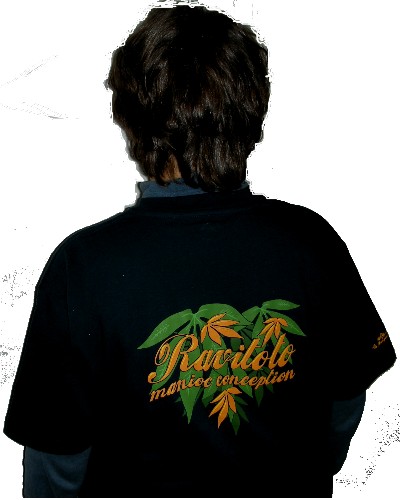
    Ravitoto manioc conception


    My daughter Abena delighted me in December with multiple Christmas gifts from Madagascar, including this t-shirt emblazoned with "Ravitoto manioc conception," which apparently is a favorite Malagasy dish--a meat stew (especially pork) made with manioc (cassava) greens.

    Sorry, I've already eaten my fabulous dark chocolate (Robert Chocolat Noir Spécial) bar so I can't show that. It looks like it was made from chocolate from Madagascar in Antananarivo for "Chocolaterie Robert S. A." (South Africa?)

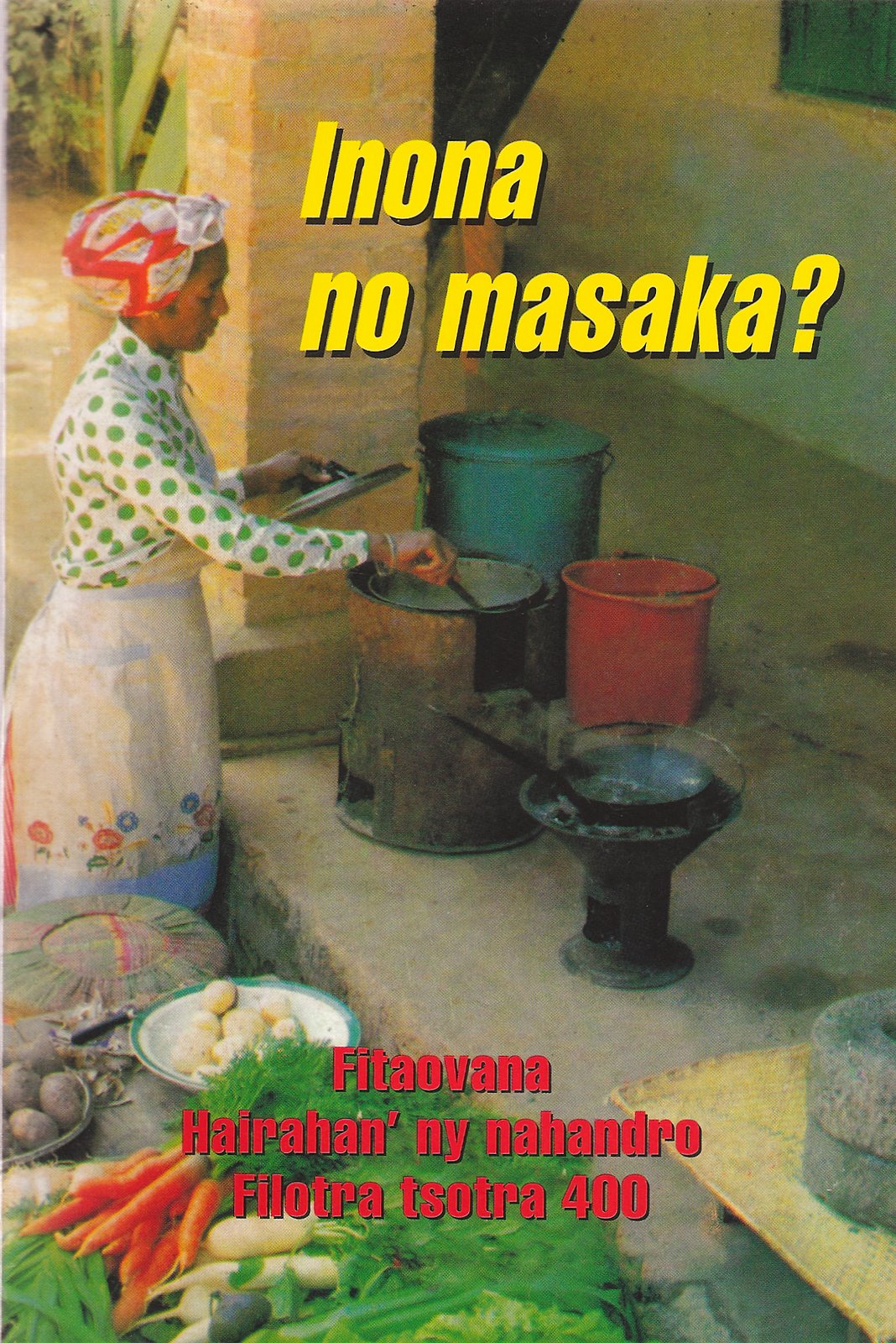
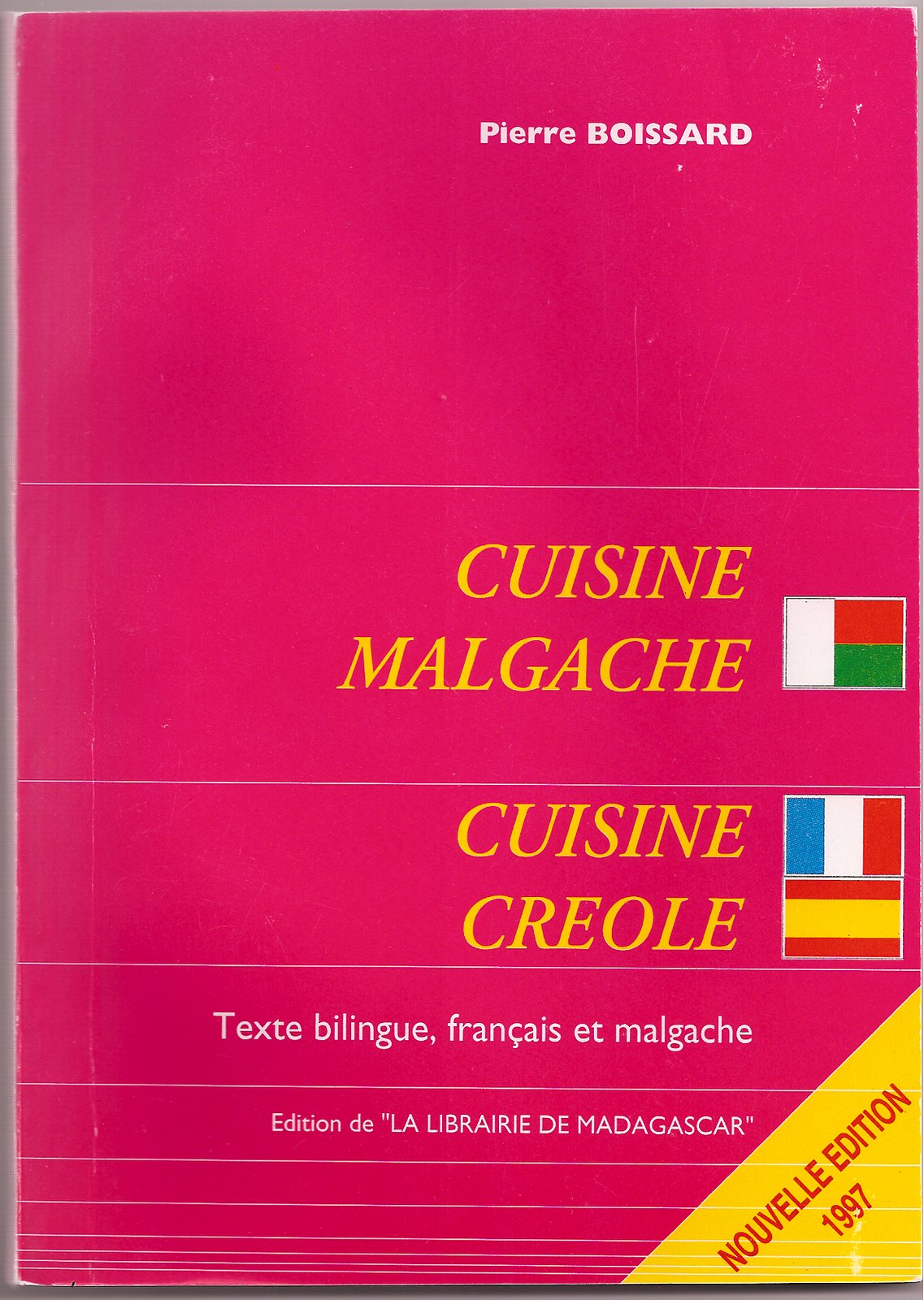
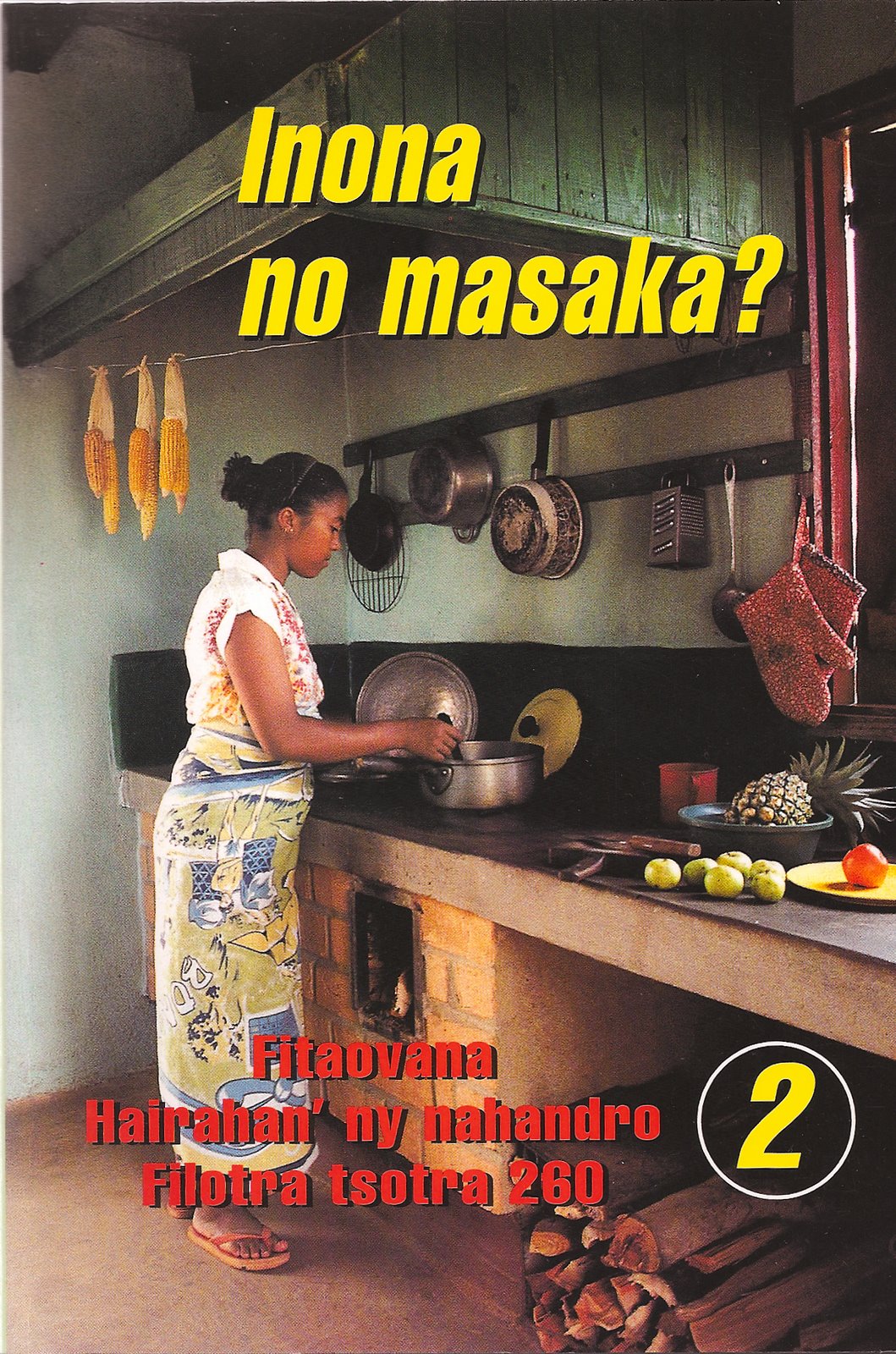
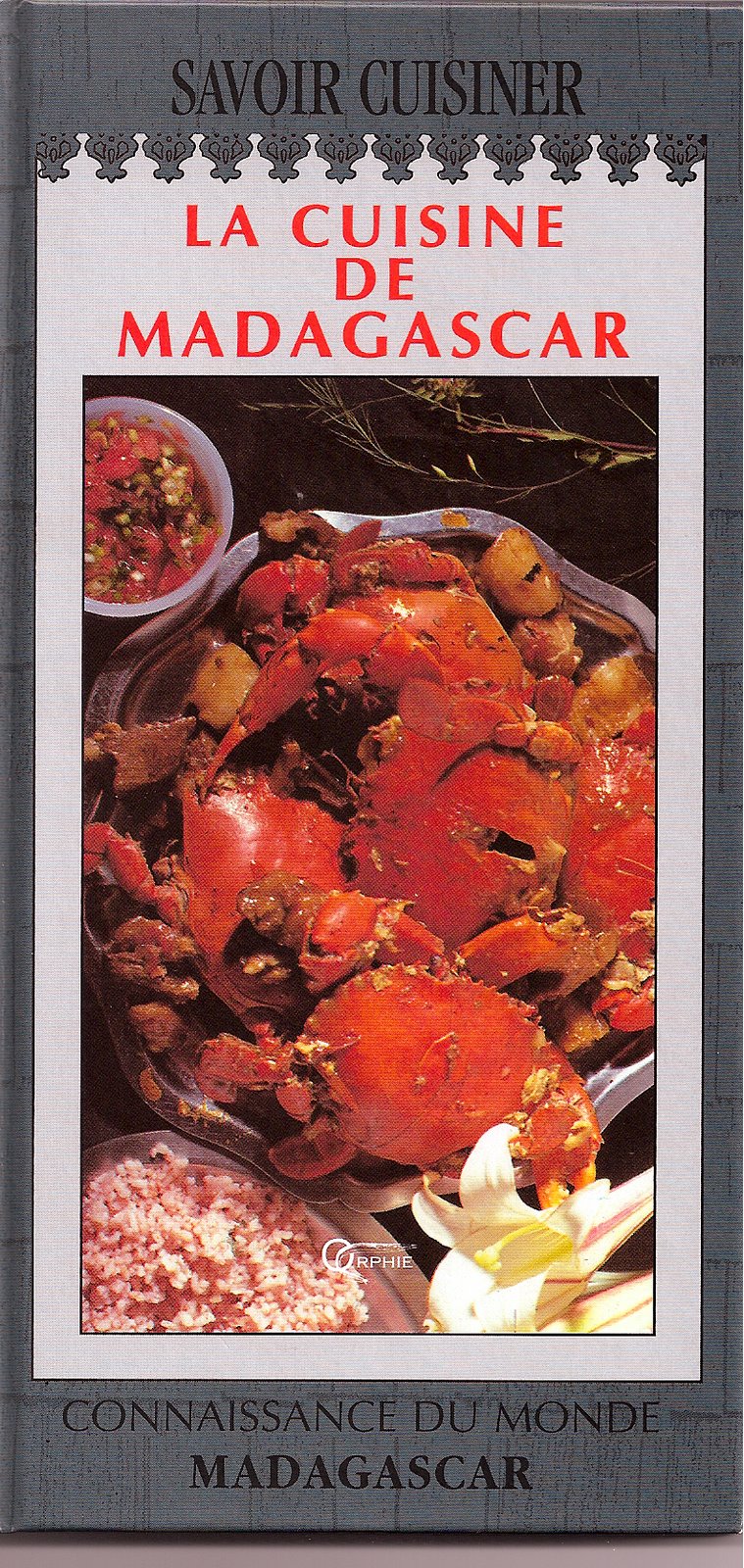
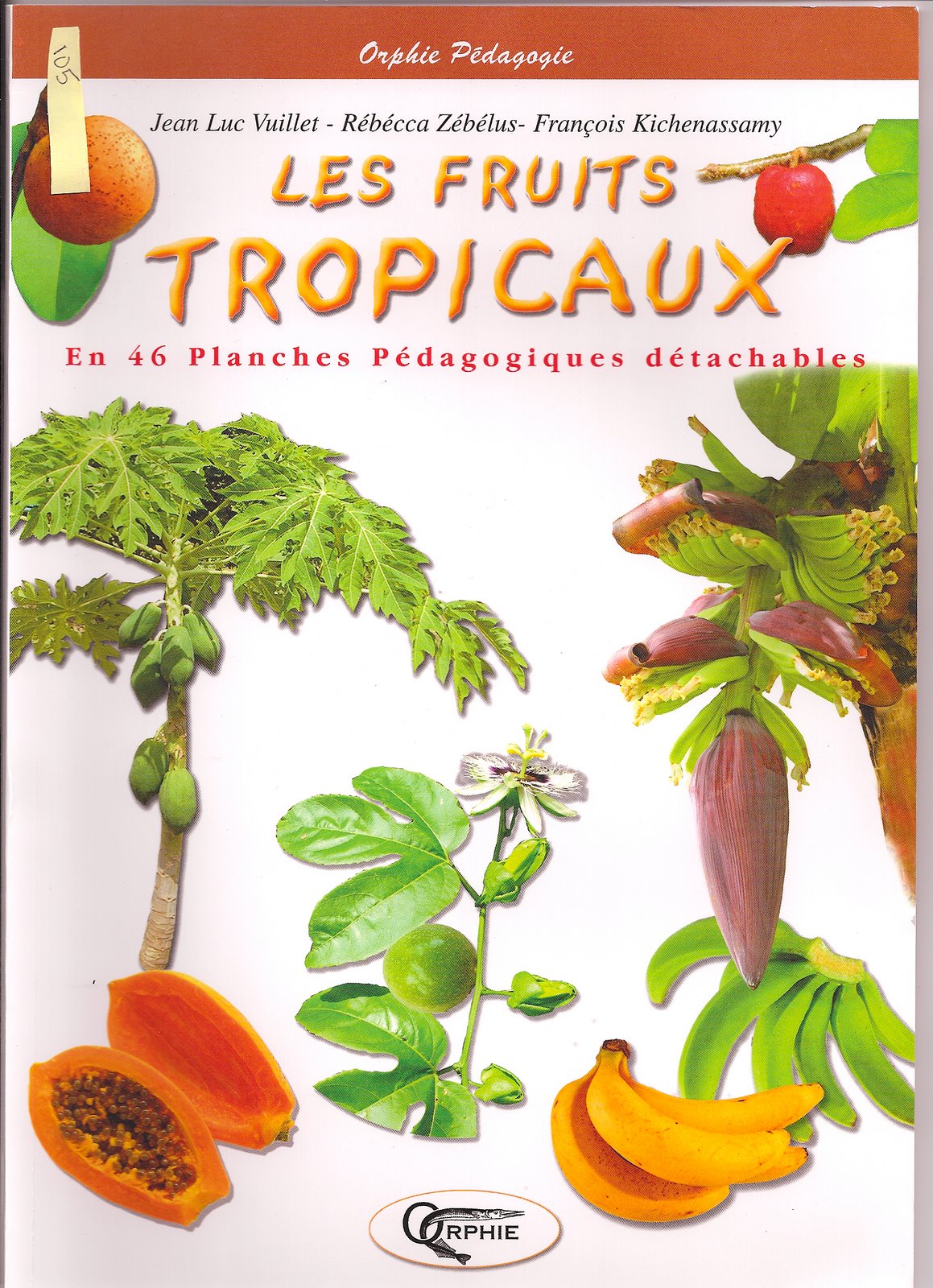
    She also collected 5 new cookbooks for the Africa Cookbook Project on her travels. Two of them are totally in Malagasy (Inona no masaka? vols. 1 and 2), one is both in French and "Malgache" (Cuisine Malgache/Cuisine Creole), another is in French (La Cuisine de Madagascar), and the final one, a book on tropical fruits published in France (okay, so maybe it doesn't technically qualify for the Africa Cookbook Project), is also in French (Les Fruits Tropicaux). Now I'm struggling with online dictionaries to understand the Malagasy. Can anyone recommend an English-Malagasy dictionary to me?


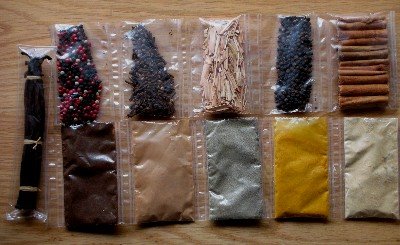
    She also brought me samples of spices from there, including vanilla, cloves, pepercorns, cinnamon, ginger, etc. Just looking at them helps me forget the ice and snow outside my window. Abena knew the best way to get me to put Madagascar on my "must see" list was to give me a hint of the food there. It worked.


    Monday, September 08, 2008

    Giving Credit for African Cookbooks


    I remember a conversation with Barbara Baeta one day when she was talking about how Laurens van der Post came to Ghana and met with her in the 1960s when he was writing his pioneering Foods of the World volume on African Cooking. She was young and flattered, and generously provided him with numerous recipes used in the book--even allowing herself to be photographed serving at a dinner party in Accra (p. 83). However, she has always regretted that she took the small lump sum the publishers offered her, while a more savvy colleague from Ethiopia negotiated a portion of the royalties and made many, many times over what Barbara earned. I wonder how often Africans provide hospitality and recipes and end up with someone else receiving the credit and money. . .

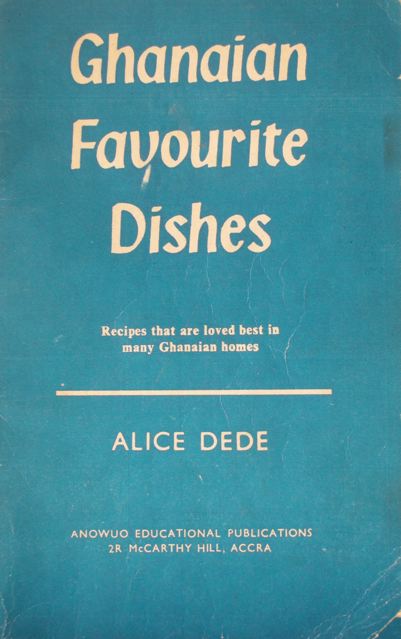
    In a related vein, there's something I've been needing to get off my chest for a long time. In the early 1970s when I first came to Ghana, my future sister-in-law gave me a copy of Ghanaian Favourite Recipes (Recipes that are loved best in Many Ghanaian homes) by Alice Dede. It was first published, as near as I can tell, in June, 1969 by Anowuo Educational Publications in Accra. The cover bears Dede's name, and the inside title page declares that the book was compiled by Alice Dede. In the facing page it states "The Author acknowledges with thanks the help received from officials of various educational Institutions in Ghana."

    Now it is possible that Alice Dede did this as a work for hire, all the recipes were contributed by others, and once it was compiled all the rights reverted to the publisher. I really don't know. But having written cookbooks myself, I know that even a "compiler" has to make many, many decisions to create such a book, and engage in recipe testing, etc., and deserves credit for that. I've often wondered who Alice Dede was, and what her background was, and what happened to her. I'd love it if any of you can tell me.

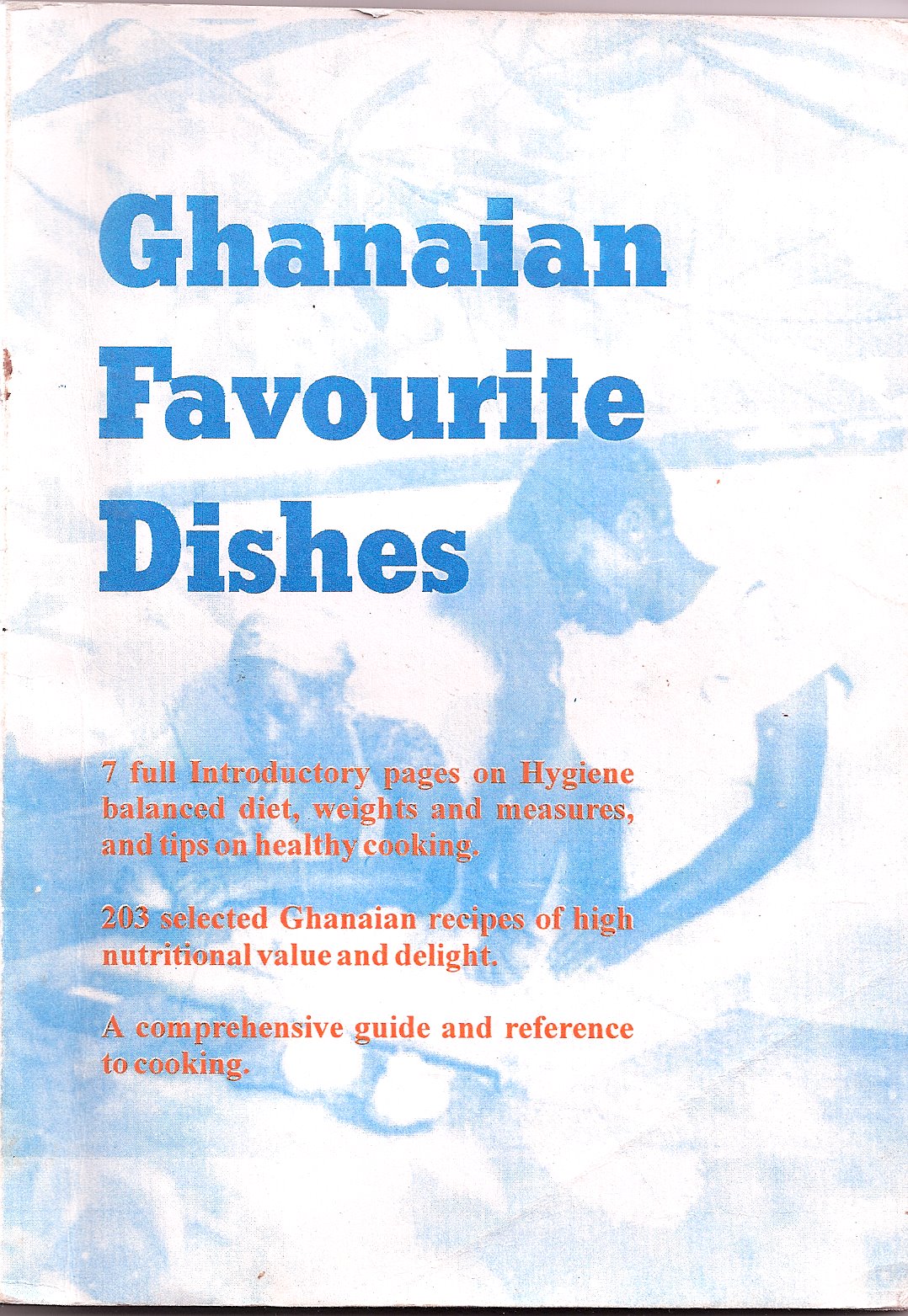
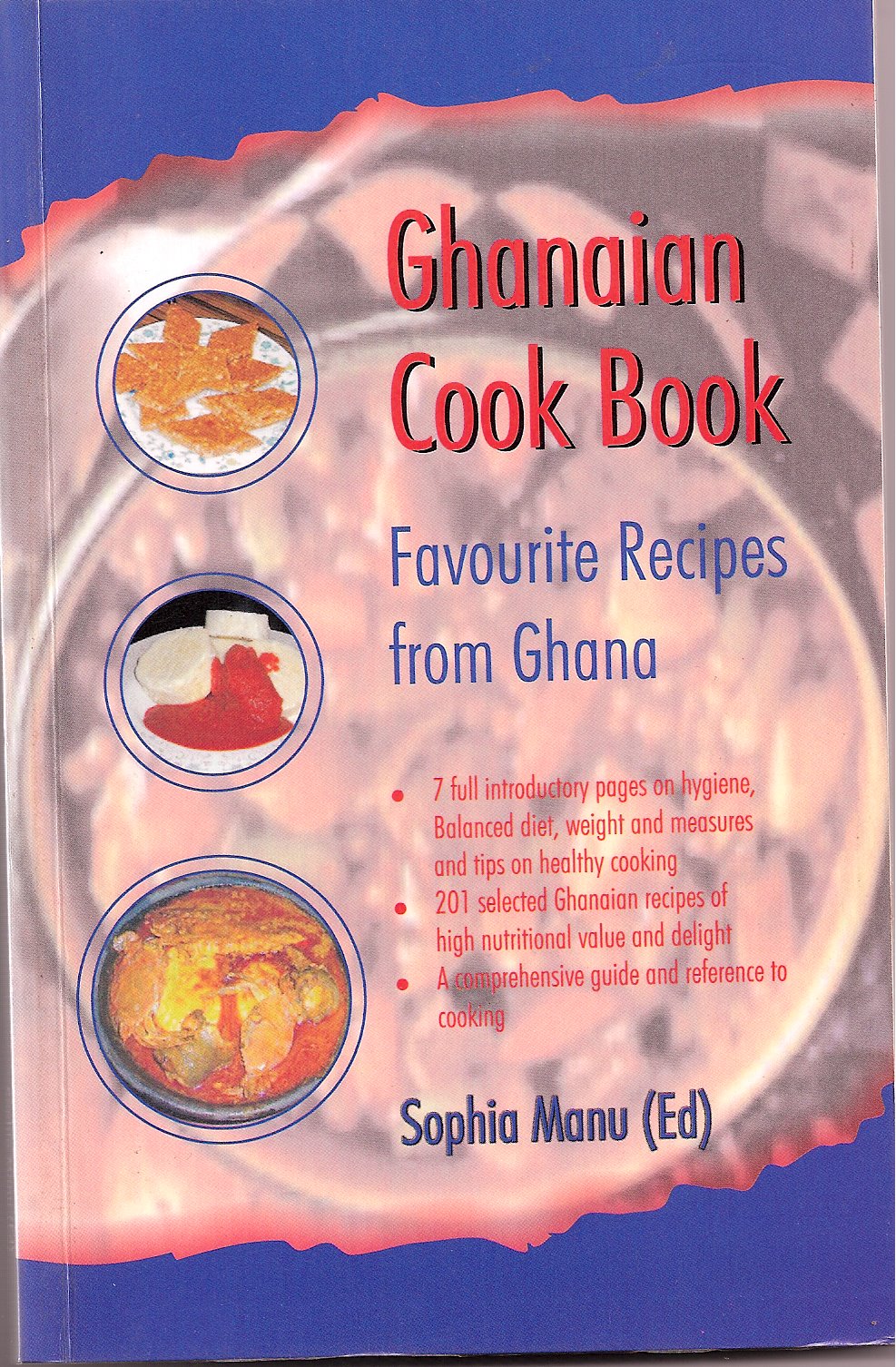
    Dede's book became a classic and was reprinted numerous times during the difficult 70s and 80s. Gradually, the book was given cosmetic face lifts (new covers, slight reorganization of recipes, removal of 5 pages of a final chapter called "recipes from other countries" replaced by 4 new pages of introductory material). By 1985, the "Recipes that are loved best in many Ghanaian homes" was gone from the cover (though still on the reprinted front page of the book, where only Alice Dede's name was gone), and the book was said to include "203 selected Ghanaian recipes of high nutritional value and delight," and to be "A comprehensive guide and reference to cooking." Somehow Dede's name and authorship disappeared. In the latest edition I have, from 2006, the title has changed to Ghanaian Cook Book: Favourite Recipes from Ghana, and the book now has a new "editor," Sophia Manu. Apparently, along with editorial advisor S. Asare Konadu, she supervised the latest face lift: a new cover with photographs and more color, including 11 color photographs throughout the chapters and a san serif type face that is larger and easier to read, as well as a better layout design. But as far as the substantive content of the book, the recipes, there are few changes. Ms. Manu moved chapter 6 (baked goods) to chapter 1. It includes two recipes for garri biscuits (#3 and also #16). In copying the menu table from the early edition, there were several errors from the original (omitting words, placing words in the wrong column), and there were also several errors in copying pages and recipes from the original index into the new index, or omitting recipes.
    While the latest edition is admittedly more attractive, what bothers me, apart from the fact that I believe Alice Dede should still receive recognition for her work, is that the book is basically a word-for-word duplication of the original recipes, including measurements in cigarette tins and beer bottles, and no indication of any changes in the diet or cooking equipment or techniques in the last 40 years. This is patently not true, and yet the book purports and appears to be a "new" book. Many things have changed, and Ghana deserves a genuinely updated, comprehensive cook book.