Showing posts with label PSU. Show all posts

Friday, April 20, 2012

Trailer for AFR297B

 In March I posted the description of the  3-credit African Studies class on Sub-Saharan African food culture I'm teaching this fall (2012) at the University Park campus of the Pennsylvania State University. Here's a brief trailer with more information. If you're part of the Penn State community, please help spread the word.

Also, if you know of any similar courses or resources you recommend, I'd truly love to know about them 

Monday, June 15, 2009

Historic African Cuisine Panel at the ASFS/AFHVS Conference


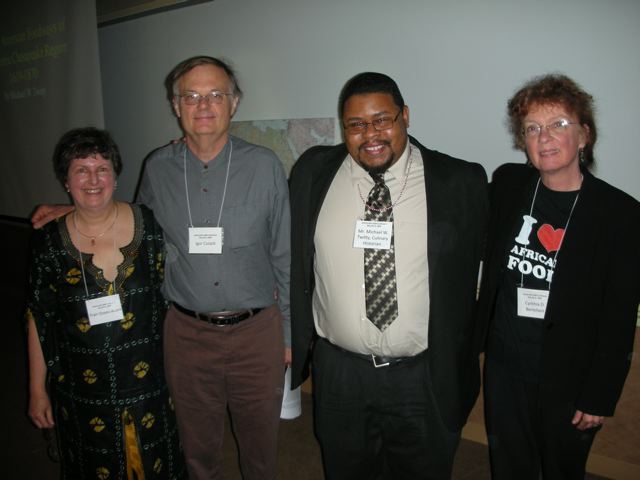
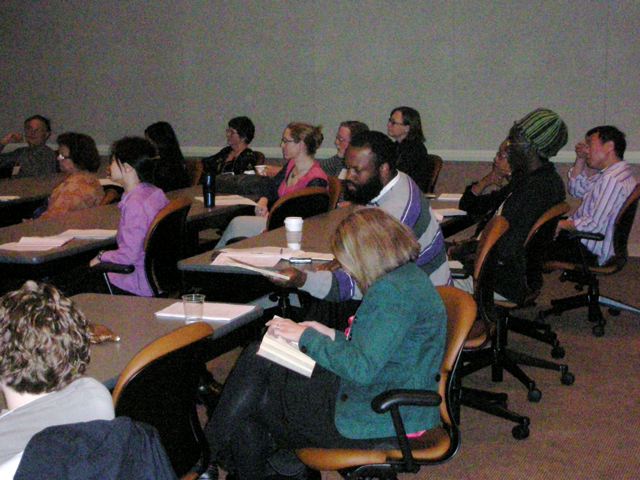
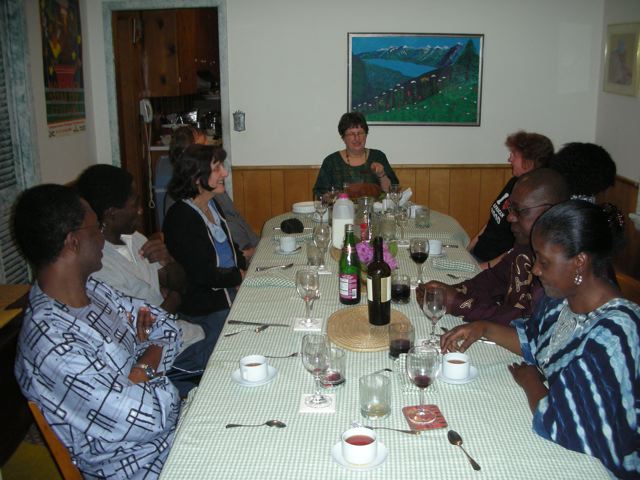
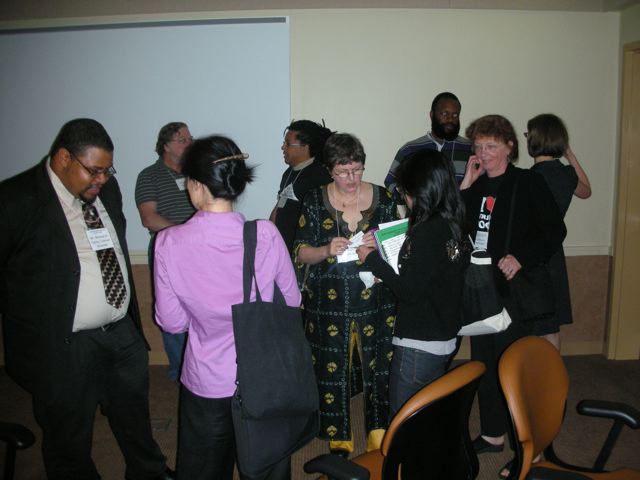
I'm back from 2 weeks of graduations, being with family and friends, tasting Jamaica, and generally being treated like a queen. There is much to catch up on, beginning with a few words about the panel on "Interdisciplinary Perspectives on African Cuisines" held on May 30th at Penn State and the small dinner party afterwards. The panel went well (despite being scheduled for 8 a.m.
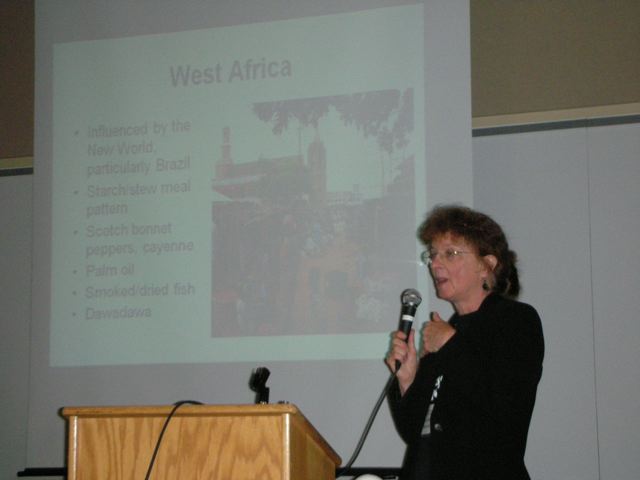
Saturday morning): we started off with Cindy Bertelsen's overview of African flavor principles (see her Gherkins and Tomatoes website for more information: principles-out-of-africa/ (the basics); principles-out-of-africa-a-fish-tale/; principles-out-of-africa-its-the-beans/ (fermentation and oilseeds); http://gherkinstomatoes.com/2009/06/06/10572/ (pumpkins). Igor

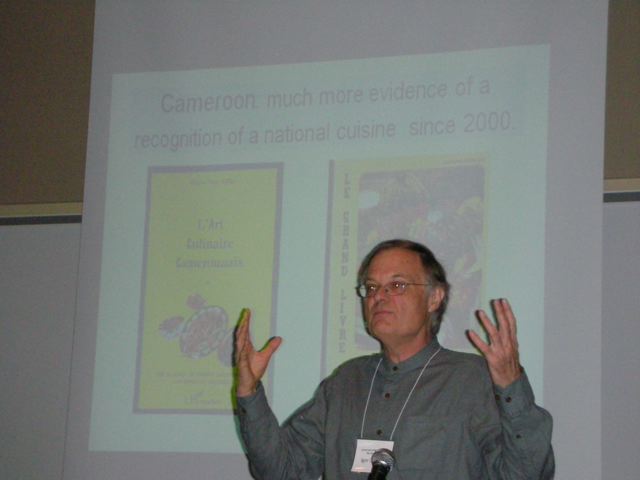
Cusack followed up with a discussion of cookbooks and national identity in Africa. Through what seemed incredible indifference and inefficiency on the part of the U.S. Embassy in Yaounde, Forka Leypey Mathew Fomine was unable to receive a visa in time to attend the conference, so I (Fran Osseo-Asare)
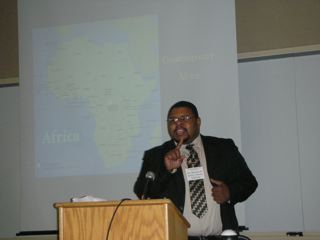
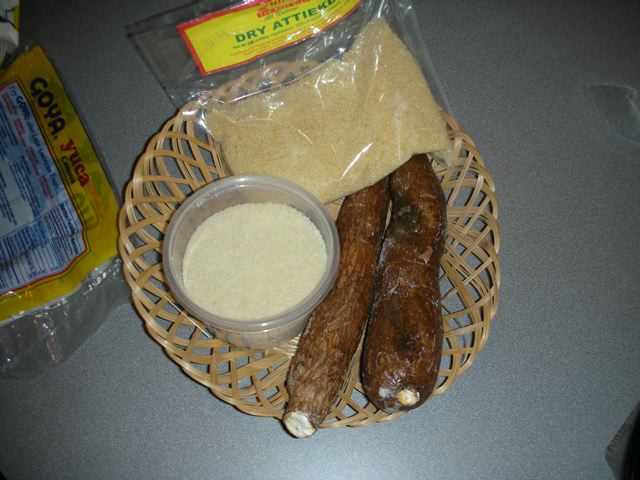
summarized his original research on the evolving role of the African giant land snail in the diet in parts of Cameroon. Please contact me if you wish to obtain an electronic copy of his fascinating paper. I then made some observations of my own about the cassava "saga" in Africa, and the transformation of cassava from an orphan crop to a nurturing "mother," and an important emerging cash crop in West Africa. Culinary historian Michael Twitty rounded out the session with a look at ethnic culinary variation in West African links and contributions to American Southern cooking. There was some lively discussion, and the general consensus was that there is a huge need for more of these kinds of opportunities to focus on African cuisines. I would
personally love to see sessions on African cuisine in literature and art, or on African cuisines and culinary tourism. Our biggest frustration that Saturday morning was "so much to say, so little time!"


For more pictures, go to BETUMI on flickr (ASFS/AFHVS May 30, 2009).