In my previous post I promised to share about what's happening with BETUMI's "mountain moving" projects.
BETUMI's Original Africa Cookbook project:
In 2007 at the TED Global conference held in Arusha,
Tanzania, BETUMI launched the
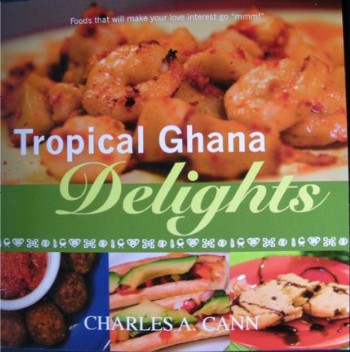
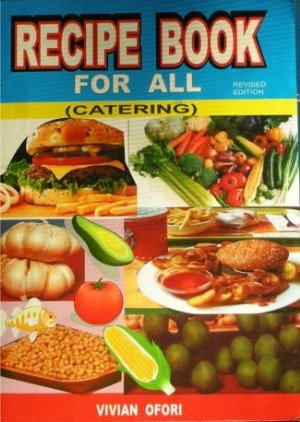
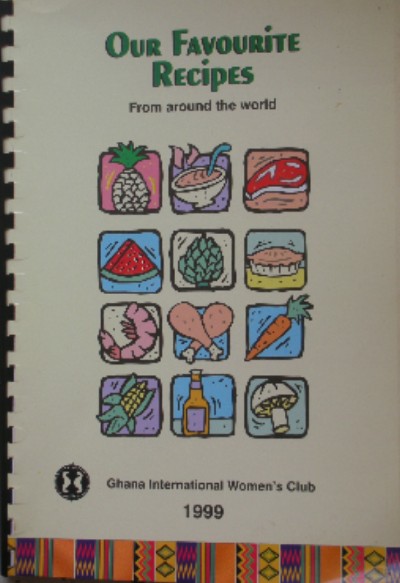
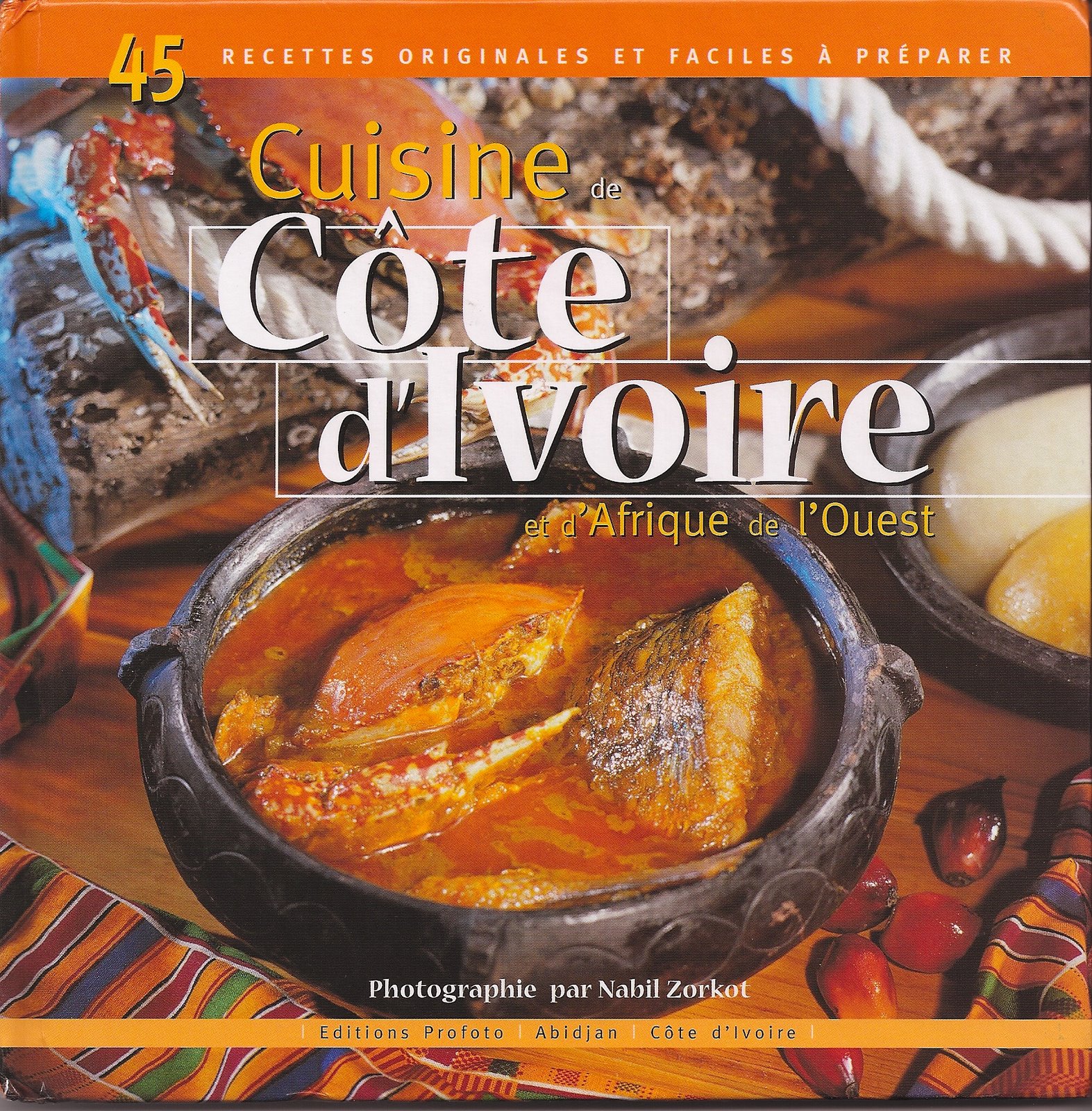
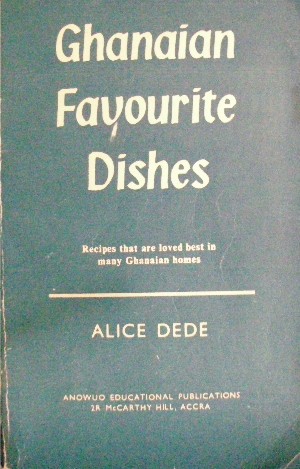
Africa Cookbook Project --we now have collected well over 120 books written by Africans and published (mostly) in Africa. They range from mimeographed (yes, before the 1960s, before photocopying or scanning, there was mimeographing) informal collections of recipes to sophisticated full-color print books. They are in English, French, Portuguese, Amharic, Malagasy. . . We have also collected dozens more cookbooks published outside of Africa and/or written by non-Africans, along with dozens of African-food-related reference books.
The earliest books in the collection were originally published in 1933 (The Gold Coast Cookery Book, by the Government Printing Office in Accra, reprinted in 2007 as The Ghana Cookery Book by Jeppestown Press in the U.K. AND the 1934 The Kudeti Book of Yoruba Cookery by J. A Mars & E. M. Tooleyo--we have the 3rd (Revised) Edition (1979) and the reprinted and repackaged 2002 edition, all from Lagos.
The most recently published additions are: from South Africa, Ukutya Kwasekhaya: Tastes from Nelson Mandela's Kitchen by Xoliswa Ndoyiya with Anna Trapido, published in 2011; from Ghana, Florence Sai's Aunty Mama's Cook Book launched in Ghana in December 2011, and from (Côte d'Ivoire (via France), Marguerite Abouet's Délices d'Afrique, published in 2012 by Editions Alternatives.
A huge thank you to everyone who has contributed so far to this
project. One immediate mountain that needs moving is getting all of the
books into the fledgling data base. We need help to do this. Maybe the next step after that is getting some of the earlier works digitized and available to everyone, while ensuring that there is fair compensation to authors and publishers.
The Newest Africa Cookbook project:
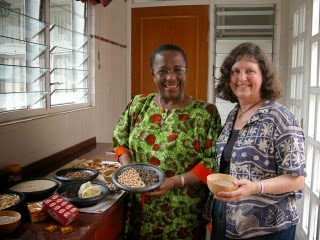
As many of you already know, for over a decade (when the photo on the left was taken), Barbara Baeta and Fran Osseo-Asare have been collaborating on compiling an ambitious Ghanaian cookbook designed as a basic cooking course. It will feature regional variations and step-by-step
instructions for a wide range of Ghanaian recipes (roughly 150), along with Ghanaian
artwork, scenic shots, and anecdotes from both of our lives.
We're thrilled to report
that in August 2013 we signed a contract with Hippocrene Books,
respected for over 40 years as a publisher of ethnic cookbooks. The manuscript will be completed by the end of August 2014, and the
book is expected out 9 months later, around May 2015. Thank you to all of you who have been supportive of this unfolding dream. We trust that, like all truly great things, it will prove worth the wait.
We're very excited!
P.S. Those of you who have offered to help (or would like to) with the final recipe testing, stay tuned. We welcome your involvement, and will soon give more details on how you can be a part of this project.
BETUMI: The African Culinary Network (www.betumi.com) connects anyone who delights in African cuisine, foodways, and food history.
Showing posts with label Africa cookbook project. Show all posts
Wednesday, November 13, 2013
Friday, September 05, 2008
Africa Cookbook Project Update
Finally, shortly before I left I discovered the delightful Akwaaba Beach Guest House owned and operated by Swiss innkeeper Helene Jäger. Helene has a lovely collection of African cookbooks, but one that caught my eye, and that I'd not seen before was
Please continue to keep informing me about other resources. Thank you Emeka, about telling me about the June 29 posting on Field to Feast about the Babula Cooking III booklet put together by missionaries in Zaire (as a survival guide using local ingredients). I'd love to get a copy for the collection. That kind of book is also important as social history.
Thursday, July 26, 2007
Africa Cookbook Project Update 3
I promised to let people know what's happening on the Africa Cookbook Project. First of all, I'm getting ready to move to Brazil in a week for 5 months, followed by 6 months in Ghana, which will slow me down with the database, but the project is moving forward. Devra Moehler has just e-mailed that she's sending a Ugandan cookbook, and Paola Roletta, the author of a Mozambican cookbook published by Europa-America in 2004 (Cozinha tradicional de Mozambique) wrote to let me know of her work. Actually, Europa-America has published cookbooks on cuisines of Angola, Cape Verde, and Morocco as well, all in Portuguese. I'd love to have them in the collection if someone would like to donate copies (remember, there is no budget for this project!) Also, people from around the globe are talking about the project, teaching me about their cuisines, even collecting recipes for me (maybe there's another book in all of this?) Though I'll be away, books can still be sent to the BETUMI mailbox: BETUMI/P. O. Box 222/State College, PA 16804 USA.
I'll soon post information about a few of the culinary entrepreneurs I met on my recent trip to Ghana, including a shito maker, a scientist, and a store owner.
Wednesday, July 11, 2007
Africa Cookbook Project Update and Auntie Sika
On the left is the latest cookbook to come to the collection (thank you TEDGLOBAL fellow Issa Diabate), and below is the first African cookbook I ever received, in 1971, from my sister-in-law-to-be. I know I'm repeating myself, but thank you to everyone who is helping spread the word. Also, thank you to Tom and Barbara Hale of Penn State University, who have promised to donate from their collection when I return to Pennsylvania. By the way, there's no reason that the culinary heritage should exclude other types of culinary work, from videos to articles.
Secondly, included here is the brief interview with Barbara Baeta that I promised to post. It is preceded by a few minutes of introduction.
Monday, June 25, 2007
Africa Cookbook Project Launched at TEDGLOBAL
At TEDGLOBAL in Arusha, Tanzania in June, 2007, we launched the "Africa Cookbook Project," whose goal is to archive African culinary writing and make it widely available on the continent and beyond. A database is being developed and copies of hundreds of cookbooks are already being catalogued at BETUMI: The African Culinary Network. Google has offered assistance in eventually digitizing some of the information.
The enthusiasm and tangible support both at and after the conference is wonderful. Issa Diabate has already e-mailed that he's sending an Ivorian book, Dominique Bikaba that he's searching for one from DRC, and Jens Martin Skibsted has scanned the covers of several books in his collection. People have promised to send books from Angola, Mozambique, Zambia, etc. I'm thrilled that others recognize the urgent need to protect these books, whether for their value as a record of popular culture, social history, or, my specialty, culinary creativity.
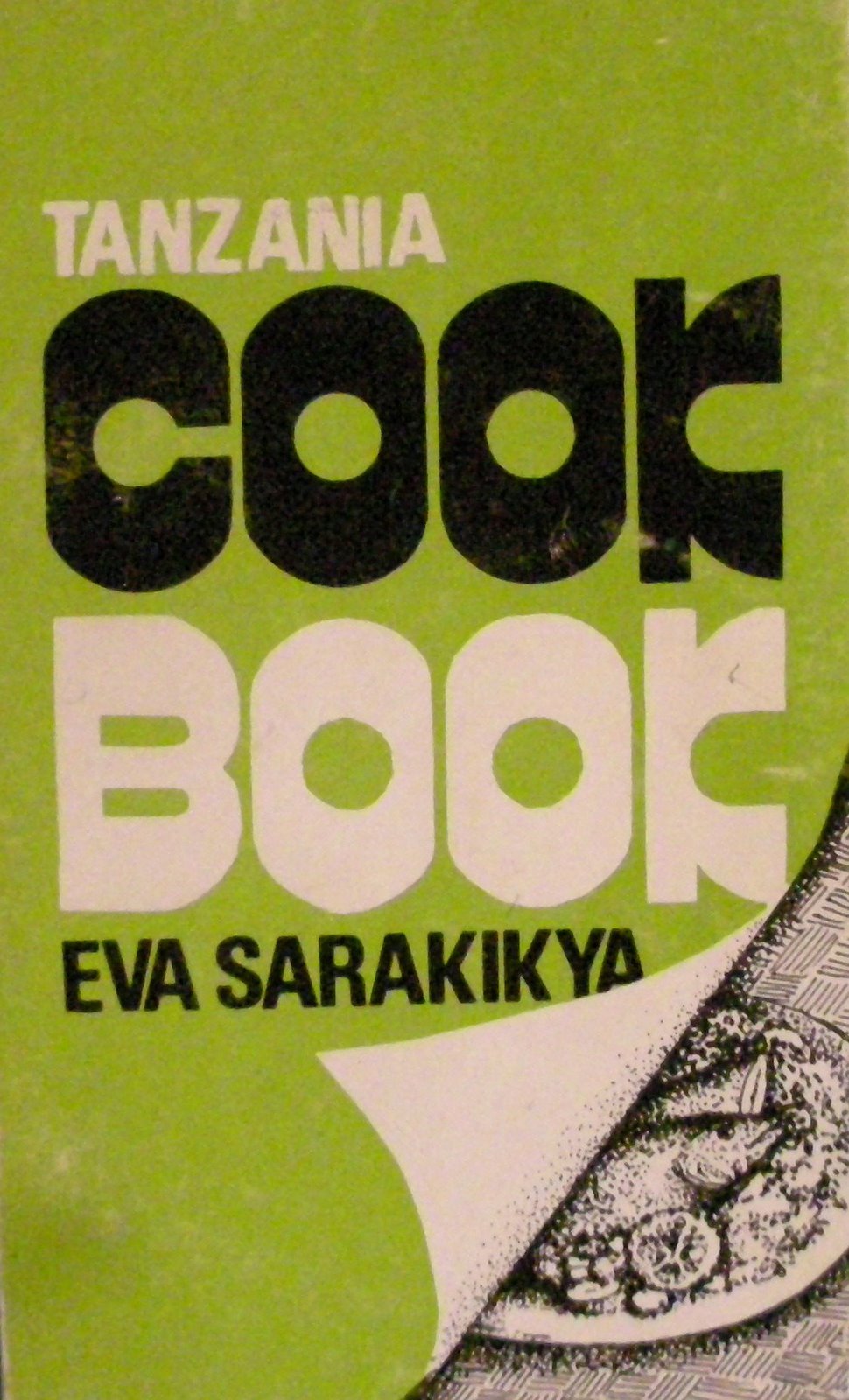
In an all-too-typical experience, I visited the gift shop at Ngurdoto Mountain Lodge and asked if they had any Tanzanian cookbooks. The staff were sure no such books existed, and were excited and surprised when I showed them Sarakikya's book:
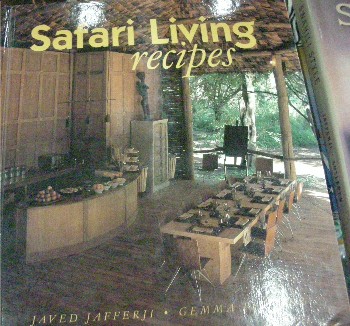
When I stopped in both gift shops at Kilimanjaro airport, they confidently showed me several glossy books published in Zanzibar like Safari Living, which showcased what I call "cuisine for Westerners," and were unable to produce a single "black Africa" cookbook. There's work to be done. Help spread the word, and also help us build up this data base and archive.
The enthusiasm and tangible support both at and after the conference is wonderful. Issa Diabate has already e-mailed that he's sending an Ivorian book, Dominique Bikaba that he's searching for one from DRC, and Jens Martin Skibsted has scanned the covers of several books in his collection. People have promised to send books from Angola, Mozambique, Zambia, etc. I'm thrilled that others recognize the urgent need to protect these books, whether for their value as a record of popular culture, social history, or, my specialty, culinary creativity.
In an all-too-typical experience, I visited the gift shop at Ngurdoto Mountain Lodge and asked if they had any Tanzanian cookbooks. The staff were sure no such books existed, and were excited and surprised when I showed them Sarakikya's book:
Subscribe to:
Posts (Atom)